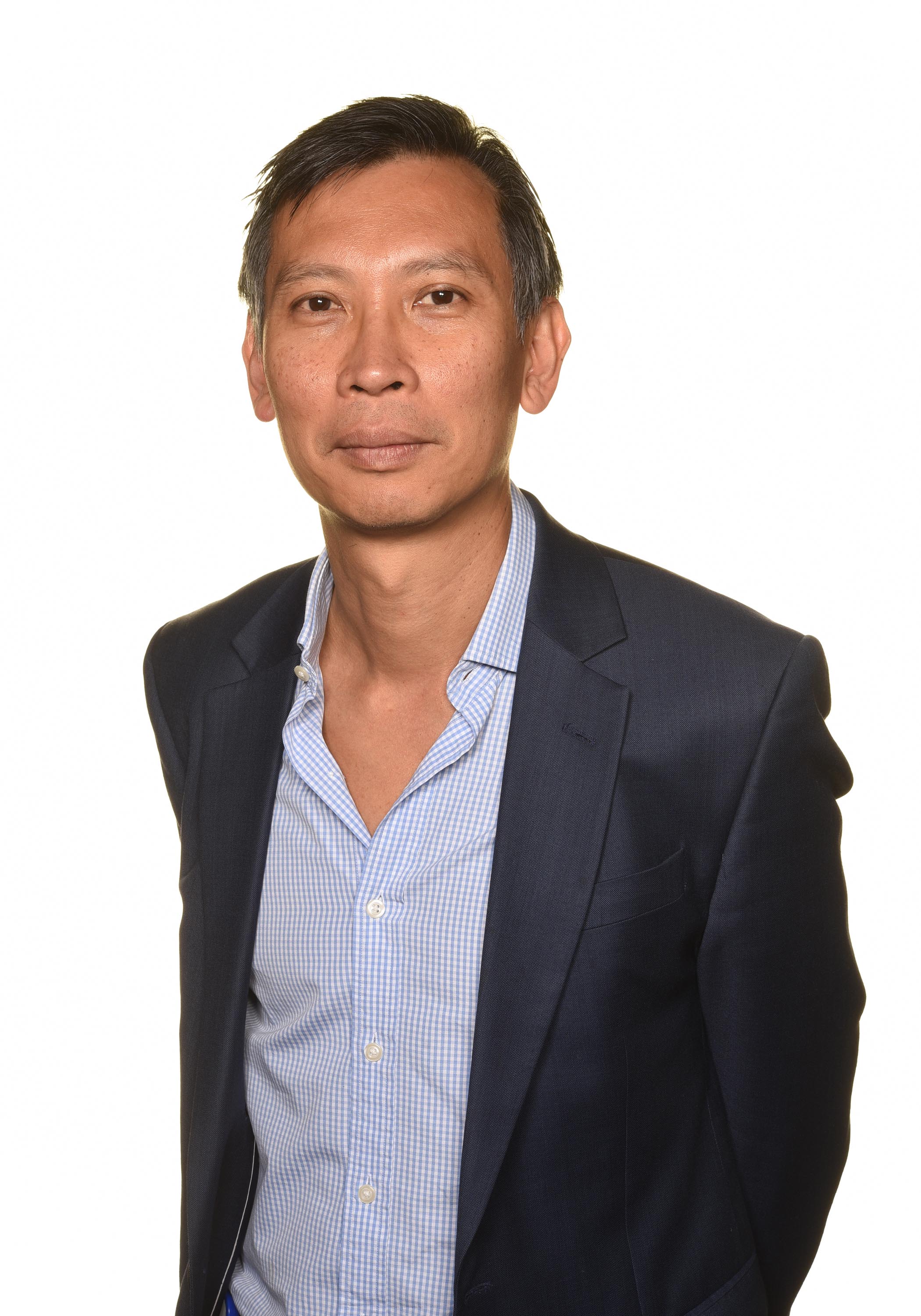
Eddie Tan1 and Mickey BC Koh2
- Centre of Regulatory Excellence, Duke-NUS Medical School, National University of Singapore
- City St Georges, University of London, UK and St George’s University Hospital, London, UK
Singapore has emerged as a key player in the cell and gene therapy (CGT) sector in Asia, with significant developments in infrastructure, regulatory frameworks, and clinical advancements. The country has strategically positioned itself to become a regional hub for CGT research, development, and clinical applications through substantial investments, purpose-built facilities, and collaborative ecosystems.
Regulatory Framework and Government Support
Risk-Based Regulatory Approach for Cell, Tissue, and Gene Therapy Products
The Health Sciences Authority (HSA) of Singapore implemented a fit-for-purpose regulatory framework for Cell, Tissue, and Gene Therapy Products (CTGTPs) on March 1, 2021 (https://www.hsa.gov.sg/ctgtp/regulatory-overview) . Under this framework, CTGTPs are stratified into lower-risk Class 1 CTGTP or moderate-to-higher-risk Class 2 CTGTP based on their degree of manipulation, intended use, and whether they are combined with therapeutic products or medical devices.
This risk-based regulatory approach aims to facilitate successful product development and registration in Singapore for innovative CTGTPs while ensuring reasonable safeguards on the safety, quality, and efficacy of the products (https://pubmed.ncbi.nlm.nih.gov/37526849/ ) . The approach is designed to be least burdensome while maintaining appropriate oversight, which is essential for promoting innovation in this rapidly evolving field.
In-house manufacturing regulated by the Healthcare Services Act
Singapore has established specific licensing conditions for healthcare institutions that administer cell, tissue, and gene therapy products (CTGTPs) manufactured in-house under the Healthcare Services Act 2020. These conditions apply to acute hospitals, outpatient dental services, and medical services. They cover CTGTPs made from autologous or allogeneic human cells/tissue, animal cells/tissues, or recombinant nucleic acids. (https://isomer-user-content.by.gov.sg/7/bc466d1d-44d1-4a5f-bfc5-dcf1da4eca1b/lcs-on-administering-cell-tissue-and-gene-therapy-products_1-0.pdf )
In-house CTGTPs can only be used in generally accepted treatments, approved research or clinical trials, or innovative salvage therapy. Before administration, patients must be informed about the intervention’s purpose, the CTGTP’s in-house manufacturing, the method, potential outcomes, registration status, benefits, risks, and costs. Licensees must have systems for managing adverse events, long-term follow-ups, and CTGTP traceability. They must notify the Ministry of Health (MOH) about manufacturing, seek necessary approvals, and report serious adverse events. Additionally, they are required to submit patient data quarterly during the first year, semi-annually in the second year, and annually thereafter. ((https://isomer-user-content.by.gov.sg/7/bc466d1d-44d1-4a5f-bfc5-dcf1da4eca1b/lcs-on-administering-cell-tissue-and-gene-therapy-products_1-0.pdf )
Governmental Support for CGT
The Singapore government has demonstrated strong support for the CGT sector through substantial investments and strategic initiatives. In 2019, Singapore announced an investment of $80 million to develop core capabilities required for cell therapy manufacturing (https://www.phacilitate.com/singapores-cell-therapy-advanced-manufacturing-programme-stamp/) . This investment has supported strategic programs addressing major gaps in advanced cellular therapies manufacturing, including scale-up, automation, and cell therapy process development.
Additionally, a task force has been formed by the Ministry of Health (MOH) to develop and support the growing field of precision medicine, including cell and gene therapies (https://www.straitstimes.com/singapore/health/new-manufacturing-facility-task-force-set-up-as-s-pore-ups-game-in-cell-and-gene-therapy ).
Moreover, the Ministry of Health (MOH) provides subsidies for Cell, Tissue, and Gene Therapy Products (CTGTPs) that have been assessed to be clinically- and cost-effective at Public Healthcare Institutions and included in the CTGTP List. As of August 1, 2024, the CTGTP list includes Tisagenlecleucel (Kymriah), a cell dispersion for infusion. This subsidy framework aims to improve the affordability and accessibility of these advanced therapies for eligible patients. (https://www.moh.gov.sg/managing-expenses/schemes-and-subsidies/cell-tissue-and-gene-therapy/product-list-cell-tissue-gene )
Infrastructure Development and Manufacturing Capabilities
ACTRIS Facility: A Game-Changer for Singapore’s CGT Ecosystem
In August 2023, the Advanced Cell Therapy and Research Institute, Singapore (ACTRIS) opened a new 2,000 sqm cell therapy facility to meet the increasing clinical demand for CGT treatments in Singapore. This replaced the Cell and Gene Therapy Facility (CGTF) at the Health Sciences Authority which was the 1stacademic GMP internationally accredited manufacturing centre to provide support for cell and gene therapy trails nationally in Singapore. CGTF was instrumental in initiating the entire cell and gene therapy ecosystem in Singapore and should be credited for its importance in embedding this into Singapore’s health system. This new ACTRIS state-of-the-art facility comprises 14 Good Manufacturing Practice-compliant (GMP) clean suites, four translational laboratories, and one quality control laboratory—making it the largest national facility of its kind in Singapore (https://www.cris.sg/news-and-events/media-releases/230804-actris-cell-therapy-facility/ ). The facility’s advanced infrastructure, including sophisticated air-handling systems, allows ACTRIS to manufacture different cell therapy products concurrently, thereby accelerating patient access to novel treatments1.
The ACTRIS facility supports end-to-end cell therapy process development and manufacturing steps, including cell selection, genetic modification, closed-system manufacturing, and product storage. This comprehensive approach enhances Singapore’s ability to develop and produce high-quality cell therapies locally, which is crucial for reducing treatment time and improving patient outcomes.
A*STAR’s Role in Advancing CGT (https://research.a-star.edu.sg/articles/features/editing-the-basics/ )
A*STAR has recognized the potential of CGT and continues to play a pivotal role in advancing CGT research in Singapore. A*STAR’s institutes, including the Institute of Molecular and Cell Biology (IMCB), the Genome Institute of Singapore (GIS), and the Bioprocessing Technology Institute (BTI) are at the forefront of CGT innovation, focusing on gene editing technologies, messenger RNA (mRNA) therapies and lipid nanoparticles for efficient delivery to target tissues. They are also developing artificial intelligence (AI) for foundational RNA modeling and therapeutic design in partnership with other A*STAR Institutes like Institute of High Performance Computing (IHPC) and Institute for Infocomm Research (I2R). Additionally, A*STAR’s Bioprocessing Technology Institute (BTI) supports scale-up and integration of unit operations up to 50 litres in pre-cGMP settings, facilitating the development of innovative bioprocesses for cell and gene therapies7.
Singapore CGT Ecosystem Collaborations (https://research.a-star.edu.sg/articles/features/editing-the-basics/ )
- Nucleic Acid Therapeutics Initiative (NATi): Hosted by A*STAR, this initiative aims to establish Singapore as a hub for NAT research and commercialization. The NATi mRNA BioFoundry was launched to scale up mRNA production during health emergencies.
- Singapore Cell Therapy Advanced Manufacturing Programme (STAMP): Initiated in 2019, STAMP 1.0 brought together public research agencies and biotech industry players to improve cell therapy manufacturing. STAMP 2.0 focuses on developing new manufacturing technologies for cell therapies.
- Process Accelerator for Cell Therapy Manufacturing (PACTMAN): A collaboration between A*STAR and ACTRIS, this joint lab optimizes cell therapy assets and production processes.
- iPSCs-differentiated Natural Killer cells for cancer immunotherapies (PANAKEIA): Combining efforts from A*STAR, SingHealth, and the National University of Singapore, PANAKEIA is developing a platform for producing iPSC-based NK cells for cancer treatments.
Private Sector Investments in Manufacturing Infrastructure
Beyond government initiatives, private companies have also established significant CGT manufacturing capabilities in Singapore. In July 2023, SCG Cell Therapy opened a first-of-its-kind cell therapy GMP-certified facility and research and development center at its headquarters in Singapore, with support from the Singapore Economic Development Board (https://www.pharmaceutical-technology.com/projects/scg-manufacturing-facility-singapore/ ). Singapore was selected for this facility due to its world-class research and manufacturing infrastructure, pool of GMP-certified manufacturing talent, and business environment receptive to new technologies.
Another notable development is the collaboration between BetaLife and A*STAR to develop next-generation cell-based therapy for diabetes treatment. BetaLife, a stem cell therapy company focused on regenerative medicine for diabetes, has acquired rights to human induced Pluripotent Stem Cell (iPSC) technology and cell lines from A*STAR. This technology enables the generation of iPSCs, providing a renewable resource to generate mature cell types. BetaLife and A*STAR are also embarking on a research collaboration to generate human iPSC banks that capture the genetic diversity of Asian ethnicities and develop human iPSC-derived pancreatic islet cells. This partnership aims to pave the way for potential cell replacement therapy for diabetes. (https://www.betalife.sg/betalife-and-astar-collaborate-to-develop-next-generation-cell-based-therapy-for-diabetes-treatment-2/ )
Breakthrough Clinical Trials and Treatments
Asia’s First Multi-Centre Gene Therapy Trial for Heart Failure
In November 2024, the Cardiovascular Disease National Collaborative Enterprise (CADENCE) and Medera Inc.’s Sardocor initiated a ground-breaking clinical trial for a novel gene therapy product aimed at treating heart failure (https://www.cris.sg/cadence-and-medera-launch-asia-s-first-multi-centre-gene-therapy-trial-for-heart-failure/, https://www.biospectrumasia.com/news/98/25257/cadence-and-medera-launch-asias-first-multi-centre-gene-therapy-trial-in-singapore-for-heart-failure.html ). This marks the first multi-centre gene therapy trial in Asia for heart failure, with Singapore being the first and only site selected outside of the United States.
The gene therapy product, SRD-001, employs an adeno-associated virus-based therapy delivered directly to cardiac ventricular muscle cells via Sardocor’s proprietary intracoronary infusion system. This therapy is specifically intended to treat patients with heart failure with reduced ejection fraction (HFrEF), which accounts for half of all heart failure cases worldwide (https://www.biospectrumasia.com/news/98/25257/cadence-and-medera-launch-asias-first-multi-centre-gene-therapy-trial-in-singapore-for-heart-failure.html ). The trial represents a significant milestone in cardiovascular cell and gene therapy research in Asia and highlights Singapore’s position as a leader in this field.
Novel T Cell Therapies for Cancer Treatment
Singapore has made remarkable progress in developing innovative T cell therapies for cancer treatment.
In 2023, a new type of chimeric antigen receptor (CAR) T-cell therapy developed by home-grown biotechnology company CytoMed Therapeutics began clinical trials at the National University Cancer Institute, Singapore (NCIS) (https://www.nuhs.edu.sg/research/research-stories/novel-car-t-cell-therapy-developed-in-singapore-begins-trial-at-the-national-university-cancer-institute-singapore-ncis ). This therapy uses a subtype of immune cells that can be modified from healthy donors and reinfused into unrelated patients without the need for matching.
Additionally, a team of doctors in Singapore has developed a new CAR-T cell therapy for patients with T-cell acute lymphoblastic leukaemia (T-ALL) who have exhausted all other forms of treatment8. This experimental treatment has shown promising results, with 16 patients achieving complete remission within a month of treatment, despite previously having less than a 10% chance of survival (https://www.channelnewsasia.com/singapore/cancer-experimental-treatment-singapore-doctors-t-cell-acute-lymphoblastic-leukaemia-4659386 ).
SCG Cell Therapy Pte Ltd from Singapore has received clearance from Health Sciences Authority for clinical trials of SCG101, a T-cell therapy targeting hepatitis B-related liver cancer. SCG101, which recognizes the hepatitis B virus surface antigen, aims to eliminate cancer cells and HBV covalently closed circular DNA. It is the first TCR-T cell therapy approved by China’s National Medical Products Administration for this cancer, marking the first multi-regional IND approval in cell therapy between Singapore and China. (https://www.biospectrumasia.com/news/26/20248/singapore-approves-clinical-trial-of-tcr-t-cell-therapy-for-liver-cancer.html )
Challenges and Future Prospects
Cost and Accessibility Concerns
Despite the promising advancements in CGT, cost remains a significant challenge. For example, Kymriah Chimeric Antigen Receptor T-cell therapy reportedly costs approximately US$475,000 (S$637,000) (https://www.straitstimes.com/singapore/health/new-manufacturing-facility-task-force-set-up-as-s-pore-ups-game-in-cell-and-gene-therapy ). However, subsidies are available for certain CTGTPs like Kymriah, as listed by MOH, and the increasing local manufacturing capabilities, such as the ACTRIS facility, could potentially help reduce costs in the future.
Currently, Singapore sees about 100 patients each year who require cell and gene therapy treatments, typically offered to those who have not responded well to conventional treatments for conditions such as aggressive leukaemia and lymphoma (https://www.straitstimes.com/singapore/health/new-manufacturing-facility-task-force-set-up-as-s-pore-ups-game-in-cell-and-gene-therapy). As these therapies become more established and manufacturing capabilities expand, their accessibility may improve.
Upcoming Industry Events and Knowledge Exchange
Singapore continues to position itself as a hub for CGT knowledge exchange and networking. Singapore will host the 16th Annual Meeting of the Asian Cellular Therapy Organization (ACTO) from August 14-16, 2025. Additionally, the ISCT Asia Regional Meeting will be held in Singapore from September 2-5, 2026.
These gatherings will unite industry leaders to discuss innovations in cell and gene therapy across Asia, share best practices in manufacturing and process development, explore scale-out strategies, optimize costs, and review regulatory case studies. Attendees will have the opportunity to witness the latest scientific advancements, clinical studies, and success stories in this domain. These events serve as essential platforms for stakeholders to exchange ideas, build partnerships, and advance the field.
Conclusion
Singapore has established itself as a significant player in the cell and gene therapy landscape in Asia through strategic investments in infrastructure, regulatory frameworks, and clinical research. The opening of the ACTRIS facility, breakthrough clinical trials, and the implementation of a fit-for-purpose regulatory framework have positioned Singapore as a hub for CGT innovation and development.
While challenges such as cost and accessibility remain, the continued focus on manufacturing capabilities, research and development, public-private partnerships, and government subsidies for clinically- and cost-effective CTGTPs suggests a promising future for cell and gene therapies in Singapore. As the field evolves, Singapore’s comprehensive ecosystem approach, combining research excellence, manufacturing capabilities, regulatory oversight, and clinical expertise, will likely continue to drive advancements in this transformative area of medicine.



Leave a Reply