Dr. Chen-Chie Wang, MD., Ph.D.
President of Formosa Association of Regenerative Medicine (FARM)
Director of Department of Orthopedic Surgery, Taipei Tzu Chi Hospital, New Taipei City, Taiwan
Department of Orthopedics, School of Medicine, Hualien Tzu Chi University, Hualien, Taiwan
Regenerative medicine has rapidly evolved from experimental concepts into a transformative force in standard clinical care, ushering in a new era of possibilities for treating diseases that have long defied conventional therapies. In Taiwan, this field has grown exponentially, supported by a strong foundation in biotechnology, clinical excellence, and, most importantly, proactive policy evolution.
The Formosa Association of Regenerative Medicine (FARM), which proudly takes its name from the historical appellation for Taiwan meaning “beautiful island”, established by Founding President Professor Hua-Chang Liu in 2004. Since its inception, FARM has been at the forefront of this journey, serving as a vital platform to bridge the gap between basic scientists, bioengineers, and clinical practitioners. Over the past 22 years, the association has successfully united experts from medical centers, research institutions, and the biotechnology industry to facilitate interdisciplinary dialogue and promote the safe, effective clinical application of cellular therapies.
A pivotal turning point in Taiwan’s regenerative medicine landscape occurred in September 2018, when the Ministry of Health and Welfare (MOHW) announced the comprehensively amended Regulations Governing the Implementation or Use of Specific Medical Techniques, Examinations, Tests, and Medical Instruments (commonly known as the Special Regulation).
This visionary initiative established a controlled clinical governance framework that allowed specific autologous cell therapies to enter clinical practice to address urgent, unmet medical needs. This Special Regulation not only provided new hope for patients but also catalyzed the rapid growth of Taiwan’s biotech ecosystem, allowing institutions to accumulate invaluable real-world clinical data and operational experience.
FARM played an active role during this critical period, facilitating dialogue between clinicians and regulators to ensure patient safety, quality control, and the capability of being traced within this new framework. Building upon the foundational data and industry maturation fostered by the 2018 Special Regulation, the year 2026 marks a historic milestone for Taiwan with the official enactment of the Regenerative Medicine Dual Acts. This legislative breakthrough signifies a monumental shift from a technical, trial-based approach to a comprehensive product-based, full life-cycle regulatory system.
As the newly elected President of FARM, I witness firsthand how these advancements have significantly accelerated the clinical application of advanced therapies. We are seeing remarkable progress in both autologous and allogeneic cell therapies, particularly in orthopedic applications such as articular cartilage repair, where tissue-engineered scaffolds and cell cultures are yielding highly promising patient outcomes.
Furthermore, the rapid advancements in extracellular vesicles (exosomes) and organoid models are opening entirely new frontiers in targeted therapies and precision diagnostics, demonstrating Taiwan’s robust capacity for medical innovation on the global stage.
However, as a practicing orthopedic surgeon, my primary vision for FARM is deeply rooted in addressing the practical realities of the “bench-to-bedside” pathway. While possessing superior cell technology is critical, the true challenge often lies in logistical execution. Specifically, this requires maintaining cell viability during cross-institutional transportation, precisely synchronizing cell delivery with surgical timing, and navigating complex interdisciplinary workflows.
To overcome these hurdles, my vision for FARM focuses on deepening translational synergy by reducing the friction between laboratory development and clinical application. We are actively advocating for the establishment of comprehensive, dedicated regenerative medicine centers within hospitals to centralize and optimize the delivery of cellular therapies.
Concurrently, FARM will continue to serve as a professional think tank, assisting regulatory authorities like the MOHW and the Taiwan Food and Drug Administration (TFDA) in refining ethical guidelines, rigorous quality control protocols, and standardized training programs for physicians to ensure patient safety remains paramount. Looking beyond our borders, the complexity and high development costs inherent to regenerative medicine dictate that no single nation can achieve ultimate success in isolation.
As the African proverb wisely states, “If you want to go fast, go alone; if you want to go far, go together.” The future of advanced therapies lies unequivocally in regional and global synergy. Moving forward, FARM is highly committed to deepening its strategic partnership with the Asian Cellular Therapy Organization (ACTO) and other regional societies.
Our collaborative focus across Asia must prioritize the harmonization of regulatory standards to lower the barriers for cross-border technology transfers, the establishment of Pan-Asian multi-center clinical trial networks to validate therapies across diverse genomic populations, and the integration of regional supply chains for biological materials.
By locking arms with ACTO and our international partners, FARM is ready to turn the immense promise of regenerative medicine into accessible, standardized treatments, building a resilient and innovative ecosystem that will ultimately deliver unprecedented hope to patients across Asia and the world.
Acknowledgment
I extend my deepest gratitude to the founding president, past presidents, board members, and the secretarial team of FARM for their decades of dedication. I also thank the ACTO Editorial Board for the privilege of sharing our vision.
Conflict of interest
The author declares no conflict of interest.
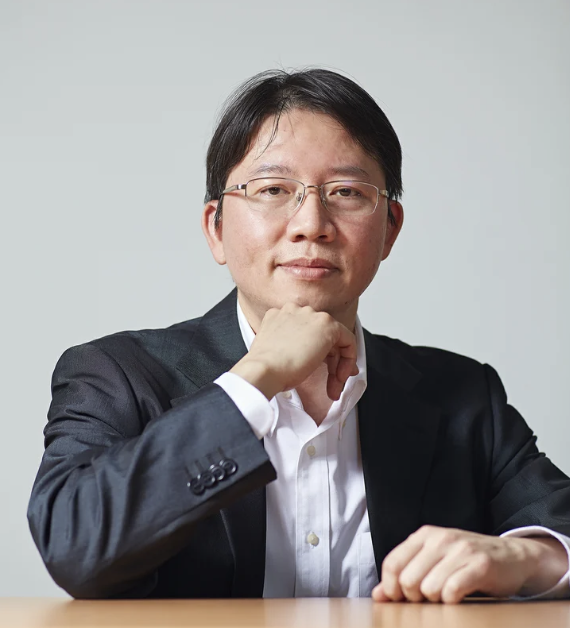
Dr. Chen-Chie Wang is a senior attending physician at the Department of Orthopedic Surgery, Taipei Tzu Chi Hospital, and the President of the Formosa Association of Regenerative Medicine (FARM). He has previously served as the President of the Taiwan Orthopaedic Foot and Ankle Society. His major interests include regenerative medicine, cellular therapy, tissue engineering, and translational research in orthopedic surgery.


Leave a Reply