Asian Cellular Therapy Organization

Akihiro Shimosaka
Chairperson, Asian Cellular Therapy Organization (ACTO)
ACTO, the Asian Cellular Therapy Organization, serves as a dedicated platform for fostering the growth and progress of cellular therapy in the Asian context. It aims to respond more dynamically to the specific challenges and opportunities found in the diverse healthcare and research landscape across Asia.
ACTO is dedicated to driving advancements in cell and gene therapy (CGT), including research, clinical applications, industry collaborations, and global regulation. It seeks to facilitate collaborative environment where professionals, researchers, industry leaders, and regulatory agencies can come together to share knowledge, experiences, and innovations in CGT.
By doing so, ACTO envisions creating a comprehensive ecosystem that accelerates the translation of CGT research into practical applications, benefiting patients and contributing to the broader field of regenerative medicine. Through its activities, publications, and events, ACTO aims to play a crucial role in shaping the future of cellular therapy in Asia and contributing to the global discourse on regenerative medicine.
Since its establishment stemming from the ISCT Asian Regional Meeting, ACTO has evolved into a dynamic organization with a broad presence covering 15 regional territories, including Bangladesh, China, India, Indonesia, Iran, Japan, Jordan, Israel, Korea, Malaysia, Taiwan, Thailand, Singapore, Vietnam, and Pakistan. The expansion of ACTO into these territories not only amplifies the impact of CGT initiatives but also facilitates the exchange of knowledge and expertise across borders.
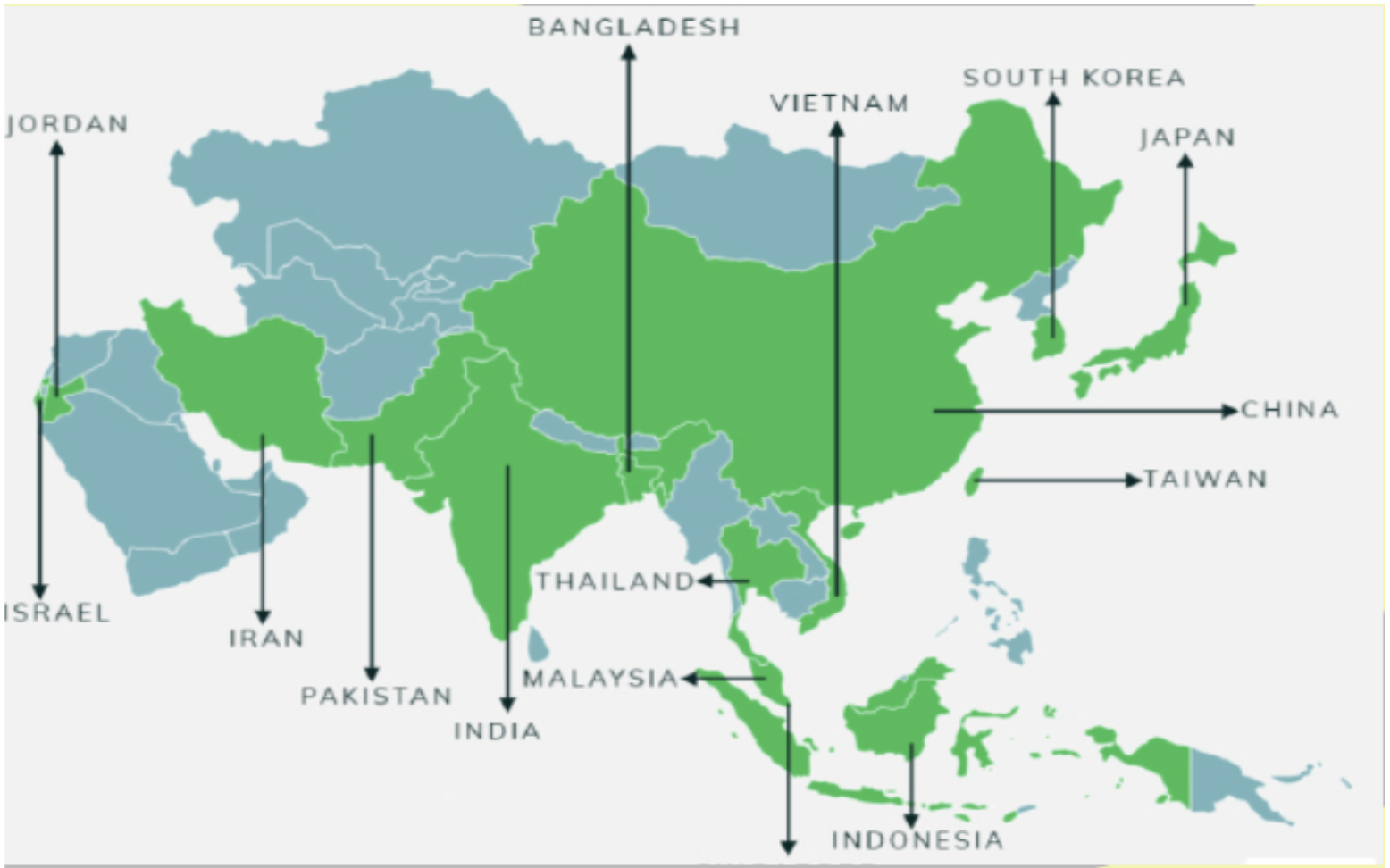
This collaborative approach aligns with ACTO’s overarching mission to create a vibrant and interconnected network dedicated to advancing CGT within the diverse landscape of Asia.
The inclusion of these 15 regional territories served by ACTO highlights the varied landscapes, healthcare systems, and research environments across Asia. It demonstrates ACTO’s recognition of the importance of tailoring CGT initiatives to the unique needs, challenges, and opportunities specific to each region.
Looking ahead, the ACTO organization remains committed to its regional focus, striving to further expand its presence and influence to better serve the diverse needs of the Asian CGT community.
Prelude : Navigating the Unique Dynamics of CGT in Asia
In the vibrant landscape of CGT. “The ACTO Times” unfolds as a chronicle attuned to the distinctive characteristics that define the Asian population. This prelude invites readers into a realm where the convergence of a large and diverse populace, intricate gene backgrounds, evolving regulations, and culture-related intricacies shape the narrative of CGT in Asia.
Large Population Dynamics
Asia, with its colossal and diverse population, charts a path for CGT that is both unprecedented and dynamic. “The ACTO Times” embarks on a journey to unravel how the sheer scale of population diversity influences research, clinical applications, and the industrial landscape of CGT.
Gene Background Diversity
Within the mosaic of Asian societies lie rich variations in gene backgrounds. This prelude delves into the intricacies of genetic diversity, exploring how the tapestry of genes across Asian populations influences the trajectory of CGT, from personalized medicine to targeted therapies.
Gene Background Diversity
Within the mosaic of Asian societies lie rich variations in gene backgrounds. This prelude delves into the intricacies of genetic diversity, exploring how the tapestry of genes across Asian populations influences the trajectory of CGT, from personalized medicine to targeted therapies.
Culture-Related Pre-Clinical Research
Cultural contexts weave through the fabric of pre-clinical research. This publication uncovers the cultural nuances influencing the design and execution of pre-clinical studies, shedding light on how diverse cultural perspectives impact the trajectory of CGT research in Asia.
Manufacturing and Industry Evolution
The industrial heartbeat of cellular therapy in Asia is a testament to innovation and growth. “The ACTO Times” investigates how manufacturing practices, deeply entwined with cultural norms, contribute to the dynamic evolution of the CGT industry in this expansive region.
Regulatory Frontiers
The diverse regulatory frameworks and rich cultural tapestry across Asian regions stand as influential forces shaping the intricate process of CGT in the region. In navigating this dynamic landscape, each nation brings its own set of regulations, reflecting unique perspectives on ethical considerations, patient safety, and research practices.
Our Journey through the Time (ACTO Meeting)
Our Journey Through The Time (ACTO Meeting)

Over the years, the ACTO meetings became a cornerstone for professionals in the field, providing a platform for networking, sharing knowledge, and forging international partnerships. As the organization evolved, reflecting the dynamic landscape of CGT in the Asia-Pacific region.
The ACTO meeting was started from the first International Society of Cellular Therapy (ISCT) Asian-Pacific Regional Meeting 2010 in Japan. The primary objective of this gathering is to facilitate the exchange of knowledge and expertise among researchers, clinicians, business professionals, and regulators in the realm of CGT.
The focus is on advancements in equipment and treatments, encompassing areas such as expansion or modification for transplantation, immunotherapy, regenerative medicine, and gene therapy.
In many Asian regions, there has been limited exploration of expertise in innovative cellular therapy and the development of equipment for clinical purposes. Additionally, there is a notable absence of well-established regulatory guidelines for approval processes, which are crucial for fostering new ideas in clinical applications.
These challenges pose significant hurdles to the progress of our research initiatives. The intention is that this meeting will serve to improve communication among Asian professionals and foster collaborations with their Western counterparts, thereby contributing to overcoming these obstacles.
 THE ACTO TIMES