The ACTO times: 2026 New Year edition
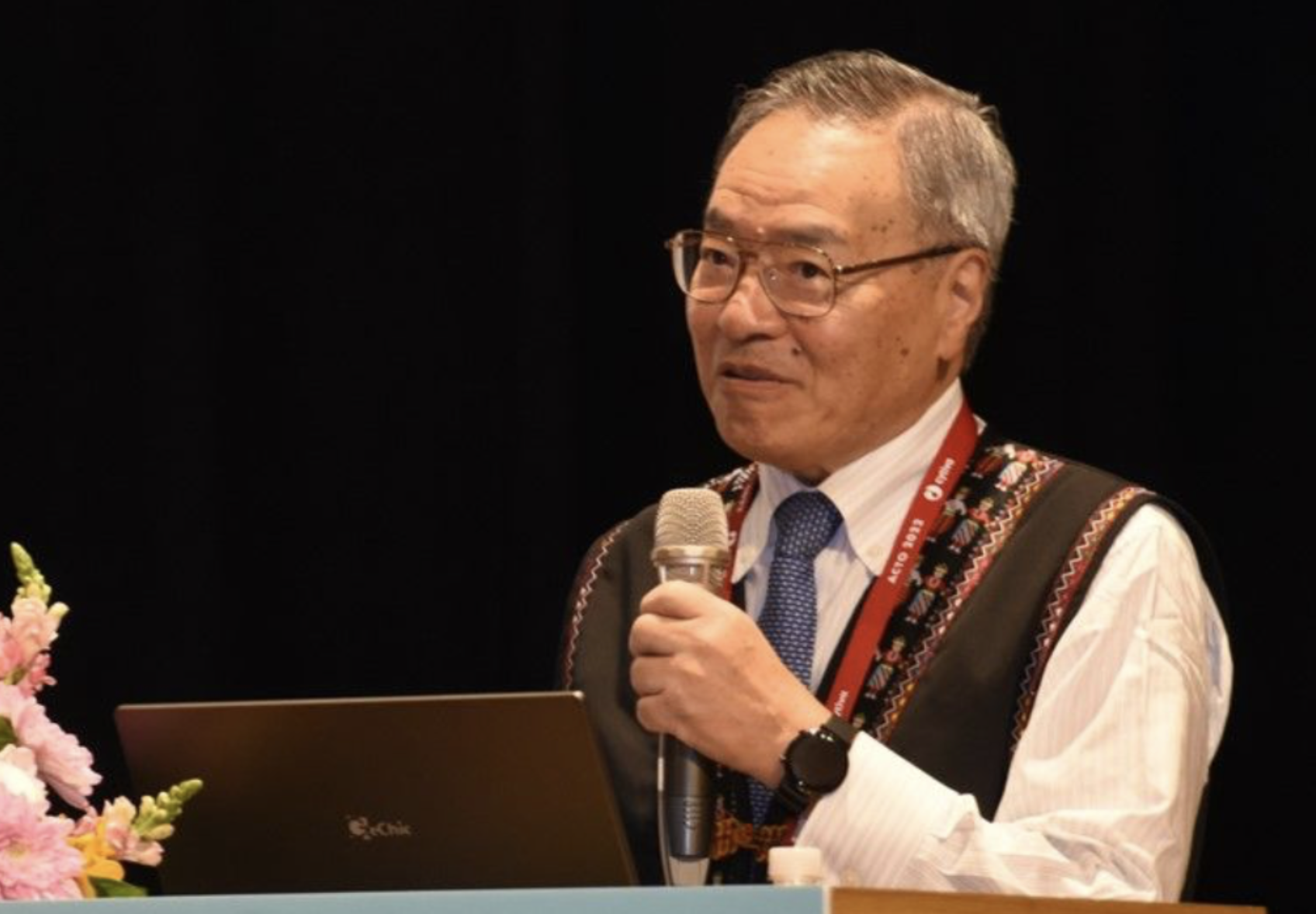
Akihiro Shimosaka
Dear ACTO Members and Supporters,
We are pleased to distribute the Volume 3 Issue 1 of The ACTO Times 2026 New Year Edition. Thank you for your continuous support of the journal as well as the overall activities of ACTO.
ACTO annual meetings have already been held 16 times in many cities, and the 17th Annual Meeting will be held in Jakarta from August 27–29, organized by the Indonesian team under the guidance of the Meeting President, Dr. Amin Soebandrio. We would like to encourage you not only to participate in the meeting but also to submit your abstracts.
By doing so, you will have the opportunity to compete for the Best Abstract Award. As in previous years, the Best Abstract will be selected by members of the Abstract Review Committee, and the award will be presented during the meeting with support from the ACTO Headquarters Office.
Another important announcement is that the 18th Annual Meeting in 2027 will be held in Niigata City, Japan, organized by Prof. Shuji Terai of Niigata University. The exact date and venue will be announced at a later time.
At present, several issues remain regarding the clinical use of exosomes. From what I have learned through clinical studies conducted at Duke University and IGR (France), dendritic cell (DC)-derived exosomes can transfer information to various immune-related cells when they carry the appropriate biological signals. However, even DC-derived exosomes are not effective if they do not contain the proper information, such as antigen-specific signals.
Another important point to emphasize is the regulatory process for such new materials and therapies. Any material administered to humans must have sufficient safety data and preliminary evidence of efficacy. In addition, the research protocol must be reviewed by an appropriate ethics committee and submitted to the relevant local regulatory agency. Our two studies were reviewed by the US FDA and were approved for clinical trials. In those studies, we proposed methods to evaluate the safety and efficacy of exosomes derived from dendritic cells.
Today, we are concerned that there are many clinical applications of exosomes being conducted without the proper involvement of regulatory authorities. The situation is similar to the time when we published an appeal regarding cell therapy in 2010 (Cell therapy medical tourism: Time for action, Cytotherapy, 2010; 12: 965–968).
I strongly believe that our members will follow the appropriate regulatory processes when conducting new studies. The ACTO Regulatory Committee members will be ready to support your new ideas and initiatives.
Sincerely
Akihiro Shimosaka, Ph.D.
Chairperson, Asian Cellular Therapy Organization (ACTO)
 THE ACTO TIMES
Leave a comment